Policy Team
Mission
Located just a short drive from Capitol Hill, Georgetown University is a venue for top policymakers and government officials to debate the pressing policy issues of our time. GUSI’s policy team aims to provide its members with hands-on experience working in space policy and advocacy. With projects including conducting policy research, drafting white papers, and engaging in direct citizen advocacy in Congress, policy team members gain both a general understanding of the space industry and the experience necessary to find jobs in the policy field. Our current projects include writing a set of research papers for the Space Generation Advisory Council (SGAC) and putting together policy proposals for our annual joint advocacy event with the Alliance for Space Development.

By Jeremy Lee
As recent announcements inform us that the SLS will be the primary launch vehicle for the Artemis missions that aim to return to the Moon, it seems as if the SLS is indeed fulfilling this mission. However, a dive into the SLS program’s setbacks provide a warning and lesson for the future of American and broader international space policy.

By Andrew Colliton
The outer space and aerospace industries have seen a renaissance in the last decade with the rise of private enterprises such as SpaceX, Blue Origin, and Virgin Galactic among others. With hundreds of satellites being launched annually into Low Earth Orbit (LEO), a small section of the earth’s atmosphere, the proliferation of satellites and space junk is accumulating at an alarming rate.

By Ty Brownlow
Most have not been to outer space, but there's something about the idea of breaching terrestrial boundaries that makes earthly rules seem as if they have the potential to be less binding. This sentiment leads me to ask; what are the real limitations of our actions? Are there real consequences to our decisions or are they merely socially constructed?

By Nikki Farber
It is no secret that the impact and role of NASA in the exploration of space has been waning for some time. Discussions of private space initiatives run by SpaceX, Blue Origin, and others have dominated the conversation in recent years and some have even been considering the value of the existence of NASA in a post-cold war world.

By Sarina Dev
With a federal budget that has decreased dramatically since the Space Race of the Cold War, NASA has turned to commercial contracting in order to send American astronauts to and from the International Space Station.

By Juan Pablo Espinosa
A new era for space exploration is coming. Government officials from Mexico and Argentina announced in October 2020 the creation of the Latin America and Caribbean Space Agency “ALCE”.

By Ashley B.
Whether to show Geo-political intent, fund R&D for new scientific discoveries and technology, or for American soft power, NASA and National Space Programs are still vital for the modern day State.

By Harry Thomas
The vicious cycle of orbital destruction described by “Kessler Syndrome” threatens to render low Earth orbit completely useless and encase humanity in a tomb of ever-increasing debris.
By Joshua Bell
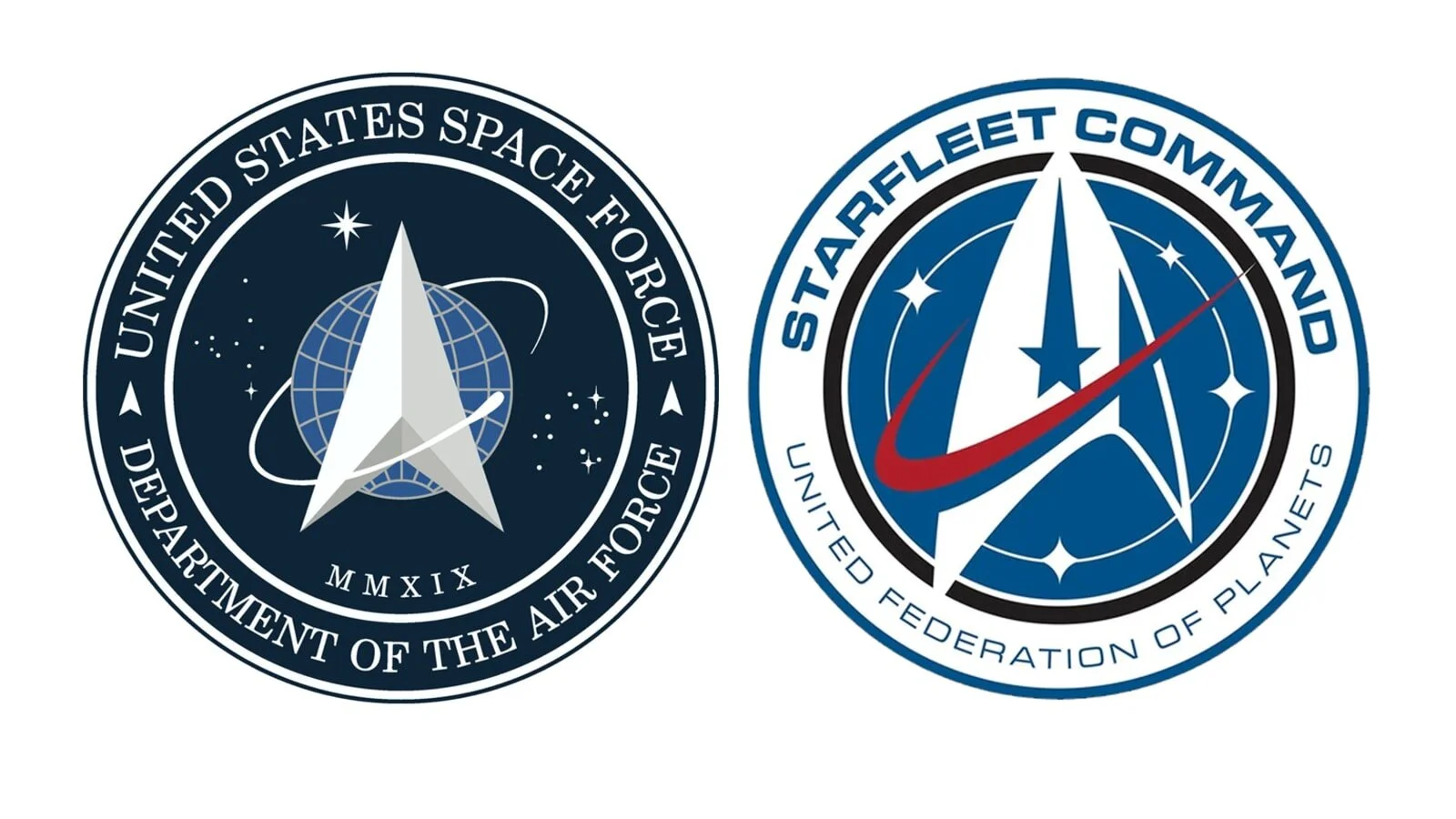
Two weeks ago the House passed the National Defense Authorization Act which has been labeled as the “Starfleet Amendment.”

By Brian Britt
The modern space industry lexicon on both the private and the public side is filled with disturbing vocabulary that evokes colonialist themes and invites hostility into our interactions with extraterrestrial environments and lifeforms.